Titanfall's Endless Winter Sleep: Respawn's Latest Project Cancellation and a Decade of Broken Promises
By Magnus Ohle Published 12 min read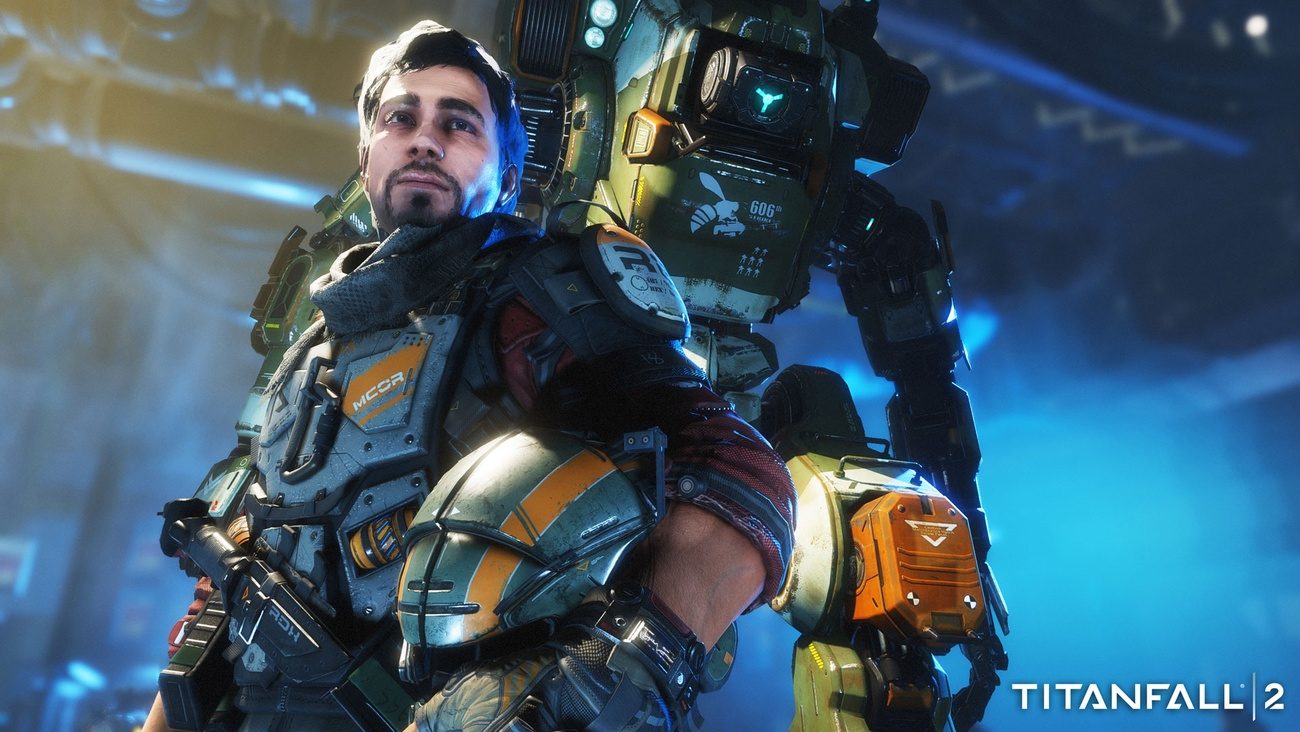
In the world of video games there are few stories as bitter as that of the Titanfall universe: loved by fans, praised by critics and seemingly doomed by corporate decisions. This week another chapter in this tragic saga was written, when Respawn Entertainment shelved an unannounced project – and in doing so, presumably once again shattered the hopes of the Titanfall community.
What to expect here
The Next Blow: Another Project Bites the Dust
Source: ea.com
Like a bolt from the blue, on 6 March 2025 came the news that Respawn Entertainment has once again axed a project. The source? A since-deleted LinkedIn post by former Respawn production coordinator Emilee Evans, which was picked up by The Game Post. Evans revealed that an ‘unannounced incubation project’, on which she had been working for a year, had been cancelled ‘this week’ (week of 3–7 March 2025) – which led to her dismissal.
The swift deletion of the post speaks volumes: this involves sensitive information that was evidently not meant for the public. That smells of damage control in its purest form.
‘Another incubation project was cancelled this week, which led to the end of my role at Respawn.’ – Emilee Evans, former production coordinator at Respawn Entertainment
What exactly this project was remains in the dark. But there are tangible clues: a job advertisement from May 2024 suggested that Respawn was working on a multiplayer first-person shooter – fuel for speculation that it could be a Titanfall-related project. Insiders such as Jeff Grubb had already reported in March 2024 that Respawn, under the leadership of Titanfall director Steve Fukuda, was tinkering with a title in the Titanfall universe.
The community now faces a heap of questions: Was this Titanfall 3? A spin-off? Or something entirely new? Respawn is keeping quiet – a typical reaction we have grown accustomed to from the studio when it comes to failed projects.
A Mirror of the Industry or Respawn’s Personal Curse?
This cancellation fits seamlessly into a wave of project cancellations across the AAA games industry in early 2025. From Wizards of the Coast to Sony – projects are being scrapped and staff laid off everywhere. Respawn is therefore not an isolated case but part of a worrying trend.
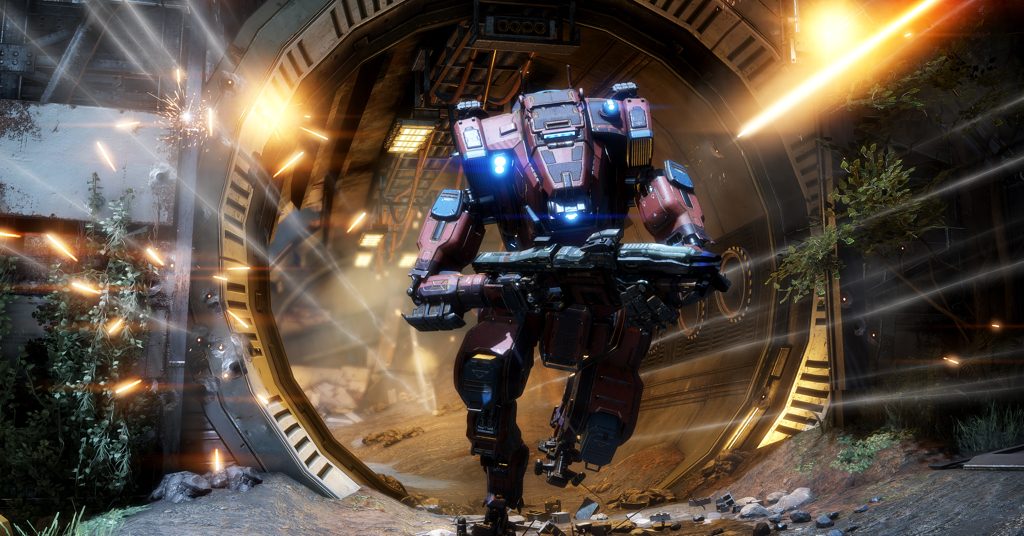
But for Titanfall fans, that is cold comfort. Since the release of Titanfall 2 in 2016 – a critics’ darling that fell short of its commercial potential – they have been waiting for a new adventure in this universe. This latest cancellation is merely the latest drop in an already overflowing bucket of disappointment.
What we know about the axed project:
- It was in the ‘incubation phase’ – meaning still in early development
- According to job listings, it was a multiplayer FPS
- Titanfall director Steve Fukuda may have been involved
- It was cancelled after roughly a year of development
- At least one person (Evans) lost her job
Respawn’s History of Disappointments: A Chronicle of Cancellations
To understand why this latest news is so painful for the community, we must take a look at Respawn’s turbulent history – a story full of axed projects and failed Titanfall dreams.
2018-2019: Titanfall 3 becomes Apex Legends
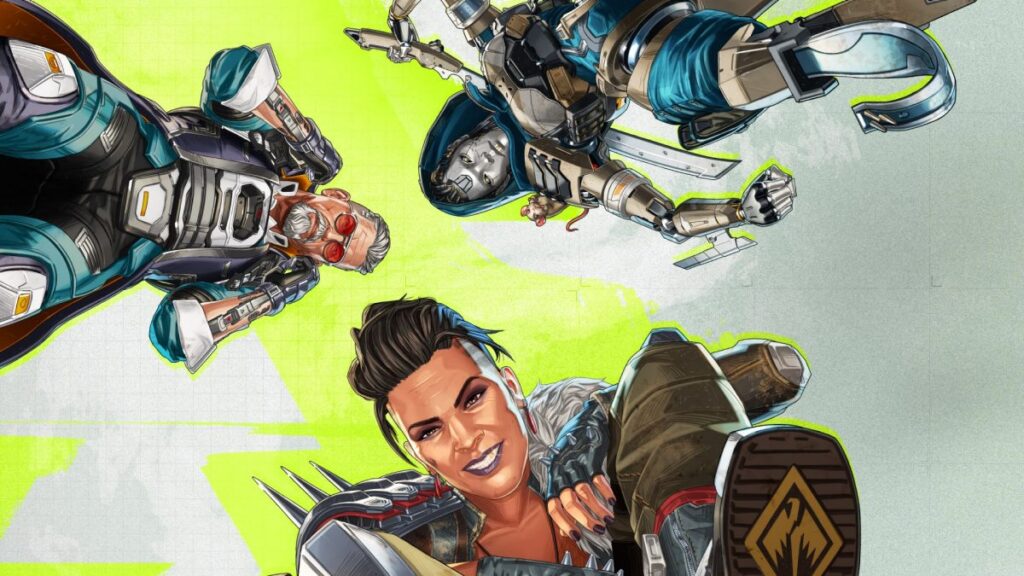
The first great betrayal in the eyes of many fans: a former Respawn developer, Mohammad Alavi, revealed in 2023 that Titanfall 3 had actually been in development for 10 months before it was scrapped. The reason? It was considered ‘not revolutionary enough’ compared with Titanfall 2. Instead, resources and ideas flowed into a new battle royale called Apex Legends, which was released in February 2019.
The irony: while Apex Legends became a phenomenal success with tens of millions of players, it left a bitter aftertaste among those who had wanted a traditional Titanfall experience. As IGN and GameSpot reported, the revelation showed that EA and Respawn preferred to jump on the battle royale bandwagon rather than hold on to their original vision.
2023: ‘Titanfall Legends’ is scrapped
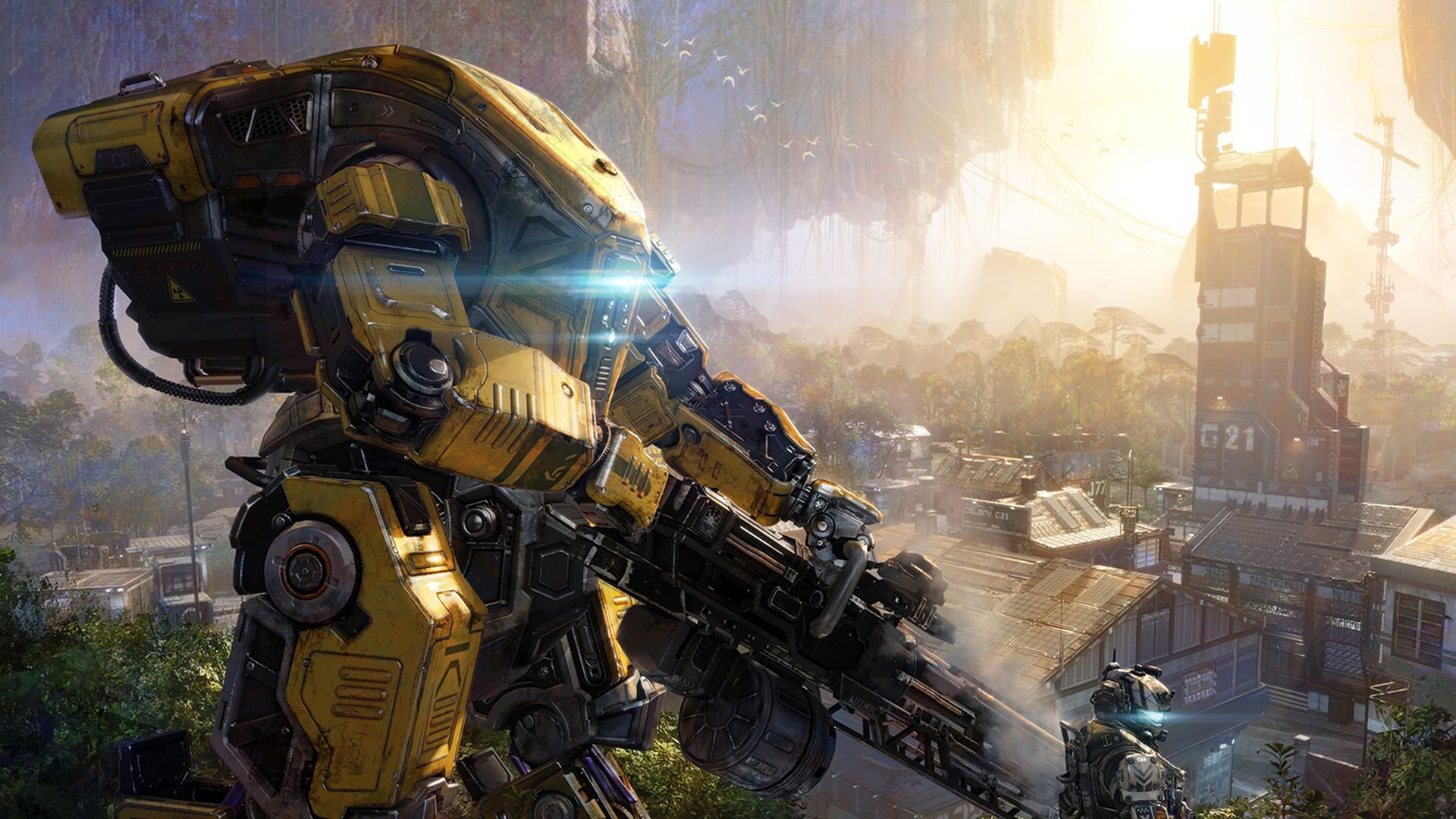
Another blow to the Titanfall community: a single-player game set in the Titanfall universe, developed under the codename ‘Titanfall Legends’, was axed by EA in early 2023 as part of a restructuring. It was the second attempt to revive the series, and the second time EA pulled the plug.
As GameRant reported, this made abundantly clear EA’s reluctance to invest in non-live-service Titanfall projects. The message was clear: if it does not make money continuously like Apex, it is not a priority.
February 2024: Star Wars FPS is cancelled
Not directly Titanfall-related, but a further sign of Respawn’s precarious position: in February 2024 EA cancelled a Star Wars FPS which, according to rumours, centred on a Mandalorian. This was part of a broader wave of layoffs affecting 670 staff (5% of EA’s workforce). Respawn was also hit, with employees on X (formerly Twitter) confirming cuts within the Apex Legends team.
According to Eurogamer and Kotaku, this marked a departure from licensed IPs, with EA prioritising in-house franchises such as Apex. Titanfall fans briefly saw in it a chance for a return to their beloved series – only to be disappointed once again.
March 2025: Unannounced multiplayer FPS is cancelled

The latest cancellation, as became known through Evans’ LinkedIn post. Probably in early development (‘incubation phase’), it fits a job advertisement from May 2024 for a multiplayer FPS. Speculation links it to Titanfall, although it could equally have been a new IP.
Dexerto reported on the cancellation, which continues the trend of cancelled projects and raises questions about Respawn’s capacity and EA’s appetite for risk.
Fighting on Several Fronts: Respawn’s Multifaceted Problems
The constant project cancellations are only the tip of the iceberg. Respawn is grappling with several challenges at once:
Layoff Waves
2024 saw significant layoffs at Respawn, linked to EA’s cut of 670 people. Posts by affected employees on X highlighted reductions in the Apex Legends team, which suggests a realignment towards live-service sustainability rather than new ventures. As CNBC reported, these cuts are part of a broader trend across the tech and games industries, with 172,017 US job cuts in February 2025 alone.
Apex Legends’ Dominance
EA CEO Andrew Wilson emphasised Apex Legends’ long-term potential in an earnings call in February 2025, even hinting at an ‘Apex 2.0’ – rather than new Titanfall content. This prioritises a proven revenue stream (the live-service model) over risky single-player or niche multiplayer projects. In short: why reinvent the wheel when the money-printing machine that is Apex is already running at full tilt?
Creative Stagnation
Titanfall director Steve Fukuda has been linked to several cancelled projects (Titanfall Legends, possibly this latest FPS). Reports suggest that his small incubation team has struggled to get projects the green light, pointing to internal or EA-driven hurdles. It seems that creative visions constantly founder on financial realities.
‘It’s like watching a beloved friend slowly suffocate. Titanfall has the DNA to be something special, but EA and Respawn seem to only have eyes for Apex.’ – Anonymous comment on Reddit, March 2025
Fan Backlash
Posts on X and articles (e.g. on 9meters.com, December 2024) reflect growing frustration. Fans feel that Respawn and EA are sacrificing Titanfall’s legacy for Apex’s profitability, with the mood growing more negative after each cancellation. The community feels betrayed by a studio that once stood for innovation and player-focused decisions.
The Industry in Upheaval: Not Just Respawn’s Problem

To be fair: Respawn is far from the only studio cancelling projects and laying off staff. The games industry is in a phase of consolidation and realignment. Here are some examples from recent months:
- Wizards of the Coast (February 2025): Cancelled an unannounced project called ‘Skeleton Key’ as part of cost-cutting measures.
- Striking Distance Studios (February 2025): Laid off most of its staff after the release of ‘The Callisto Protocol’, leaving the future of an unannounced project unclear.
- Sony (2024): Cancelled two live-service games from Bend Studio and Bluepoint Games, one of them rumoured to be God of War-related, as part of a shift away from multiplayer experiments.
- Flashbulb Games (December 2024): Dismissed seven staff after halting an unannounced project.
Driving Factors Behind This Development
Several trends are fuelling this wave of cuts:
- Economic pressure: Rising development costs and inflation (as mentioned in the CNBC report on layoffs from March 2025) are pushing studios to prioritise safe bets over experimental titles.
- Live-service dominance: Apex Legends, Fortnite and similar games generate steady revenue, making single-player or niche multiplayer projects less attractive to publishers such as EA.
- Wave of layoffs: The 172,017 US job cuts in February 2025 (according to CNBC) reflect a broader industry contraction, with gaming hit particularly hard (e.g. EA’s cuts in 2024, Sega’s cancellations in 2025).
Why Titanfall has such a hard time:
Titanfall occupies a paradoxical position: loved by critics and with a passionate fanbase, yet not mass-market enough for EA’s tastes. The Titan mechanics and movement system are unique and innovative – but it is precisely this uniqueness that makes the series a niche in an industry increasingly reliant on proven formulas.
Apex Legends may be set in the Titanfall universe, but without the eponymous Titans and with a battle royale focus it is a fundamentally different experience. For genuine Titanfall fans, that is like a plaster on a gaping wound.
The Impact on the Community: Between Anger and Resignation
On social media, discussion erupted after Evans’ post leaked. Under hashtags such as #Titanfall3 and #RespawnEntertainment, fans displayed a mix of anger, sorrow and a kind of resigned acceptance. It is a pattern they know all too well.
A particularly painful aspect is the fact that Titanfall 2 – despite its commercial underperformance – is regarded as one of the best FPS games of all time. The campaign is regularly praised for its innovative level design (particularly the legendary ‘Effect and Cause’ mission) and its emotional depth. The multiplayer mode, with its unique movement system and Pilot-Titan gameplay, offered a freshness that is rare in the FPS landscape dominated by Call of Duty.
The Titanfall fanbase may not be as large as that of Fortnite or Call of Duty, but it is passionate and loyal. For many, this latest cancellation feels like yet another betrayal – not only of the players, but of the creative vision Respawn once embodied.
‘At some point one has to ask: is it better to give up hope and move on, or to keep holding on to a dream that will probably never come true? As a Titanfall fan, it feels like waiting for a train that will never reach the station.’ – Fan’s tweet, March 2025
Where Is the Journey Heading? Titanfall’s Uncertain Future
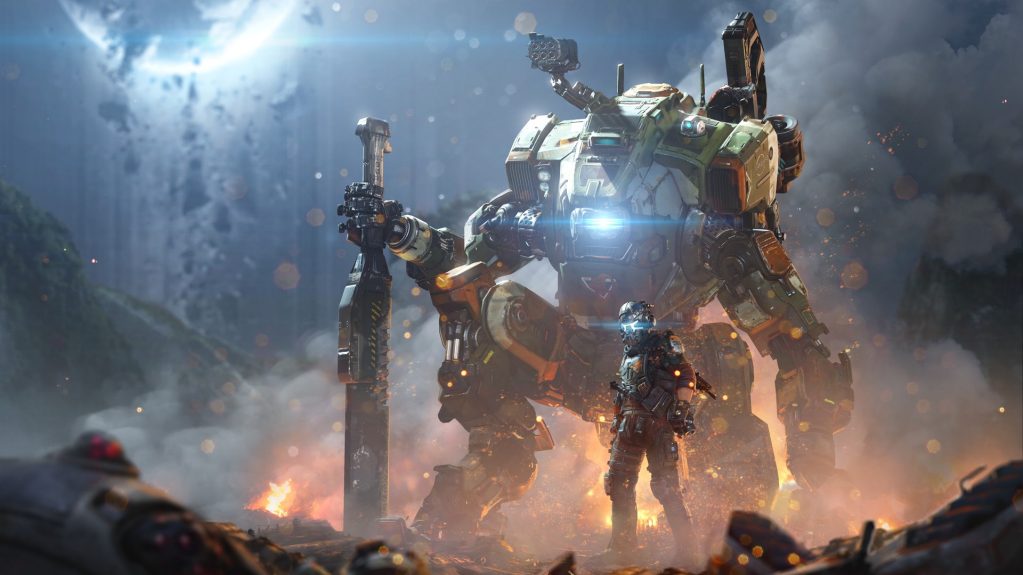
With this latest setback, the question arises: does Titanfall still have a future at all? The answer is complex and depends on several factors.
Scenario 1: The End of an Era
The most pessimistic view: Titanfall is effectively dead, with Apex Legends as the sole survivor of this universe. In this scenario, EA will continue to reject every pitch for a new Titanfall game, however promising, and instead rely on proven money-makers. The reality of the games business is brutal, and sentimental attachments to franchises rarely take precedence over financial considerations.
Scenario.2: A New Attempt Under Different Conditions
A more optimistic scenario: the constant cancellations are not the end but part of a process. Perhaps Respawn keeps trying new approaches for Titanfall until one meets EA’s financial requirements. They might seek a middle ground – a Titanfall experience that satisfies core fans while also having broader commercial appeal.
Scenario 3: The Indie Route
An unlikely but fascinating scenario: what if former Respawn developers founded their own studio and developed a spiritual successor to Titanfall? It would not be the first time developers have broken away from major publishers to realise their creative vision. Games such as ‘The Callisto Protocol’ (from Dead Space creator Glen Schofield) and ‘Helldivers 2’ have shown that there is a market for hardcore action experiences.
Whatever the future holds, one thing is clear: the Titanfall community will not give up so easily. The regular spikes in Titanfall 2’s player count – often driven by sales or simply nostalgic waves within the community – show that these games have something timeless and special about them.
What Can We Learn From This? An Industry at a Crossroads
The story of Titanfall and Respawn’s repeated cancellations is more than an anecdote about a single franchise. It is a microcosm of the larger challenges facing the games industry:
- The tension between art and commerce: How do we balance creative visions with financial realities?
- The live-service trap: Does the focus on endless monetisation lead to a loss of innovation and variety?
- The role of communities: What do publishers and developers owe their most loyal fans?
There are no simple answers to these questions. But as players and industry observers, it is important to understand these dynamics and to question them critically.
For Titanfall fans, the bitter reality remains: their beloved franchise seems trapped in a kind of limbo – neither dead nor truly alive. Each new cancellation is another stab to the heart, but also proof that Respawn at least tries to bring the series back in some form.
Perhaps there lies a spark of hope in that. As long as there are developers at Respawn who believe in Titanfall – like Steve Fukuda, who apparently keeps pitching new ideas – there is a chance that we will one day see Titanfall 3 after all. Until then, there is nothing but waiting and remembering one of the most innovative shooter franchises of all time.
‘Protocol 3: Protect the Pilot.’ – BT-7274, Titanfall 2
In a perfect world, this protocol would also mean: protect the fans and their hopes. But in the harsh reality of the games business, those hopes seem to be shattered again and again.
The question is no longer whether Titanfall will return, but whether it should – in an industry that is growing increasingly risk-averse and formulaic. Perhaps it is better to remember what Titanfall was than to watch it be diluted into something that loses its core.
Or perhaps, just perhaps, we will one day be surprised – with an announcement proving that some battles are worth fighting, however hopeless they may seem. Until then, Pilots: stay tuned and keep the Titans ready for action.
