Forza Horizon 6: Forza clarifies UGC rules following Itasha criticism
Forza Horizon 6 PC from £34.07 By Magnus Ohle Published 3 min read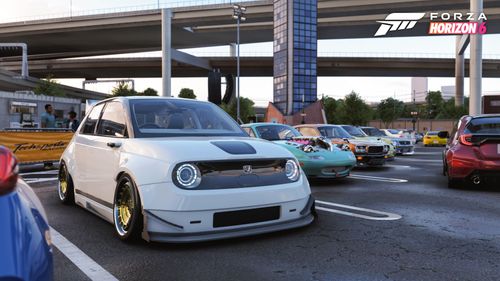
Following criticism of bans surrounding so-called Itasha liveries in Forza Horizon 6, Forza has clarified its rules for user-generated content. The key point, which has caused much speculation recently, is that reported designs should not be automatically sanctioned because of a large number of reports.
What to expect here
In the updated Forza Code of Conduct, the support team states that conspicuous user-generated content is assessed individually by moderation. This includes liveries, vinyl groups, photos and other content created by players. The number of reports is not meant to determine which sanction is imposed.
Why Itasha liveries are currently sparking debate
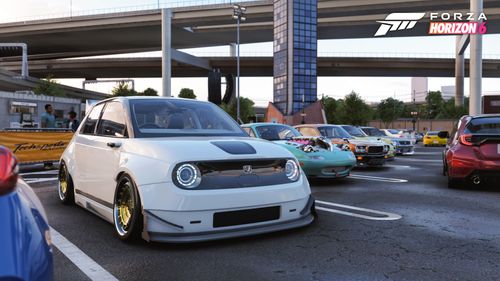
The trigger for the current debate is reports from Japanese players and livery creators whose designs were removed or whose accounts were temporarily suspended. Most often it concerns Itasha – cars decorated with large motifs from anime, manga or video games. Because Forza Horizon 6 is set in Japan and Japanese car culture is explicitly one of its core themes, the discussion is correspondingly prominent.
Several media outlets, including Automaton West, report that players suspect a targeted wave of reports. No such connection has so far been proven. This is precisely where the clarified rule comes in: according to Forza, reported UGC enters a queue and is reviewed by a human moderator. The number of reports is not supposed to change either the priority or the position of a case in this queue.
Which content Forza continues to prohibit
Under the updated rules, Itasha designs are fundamentally permitted. Content that breaches the general UGC guidelines remains prohibited. Forza names several clearly defined categories for this and stresses that the standards may be developed over time.
How strictly individual motifs are interpreted therefore remains a case-by-case decision. Particularly with stylised figures, clothing and poses, this boundary can be difficult for creators to predict. The new statement therefore primarily answers the question of the moderation process, rather than every detailed question about which specific livery is permissible.
Warning, suspension or permanent ban
The possible response also depends on severity and history. For less serious first-time infringements, Forza provides for warnings; repeated or more serious infringements may lead to longer suspensions. According to Forza, permanent account or hardware bans are intended in particular for serious zero-tolerance violations. Players can appeal against active sanctions via Forza Support.
For livery artists, it is at least clearer that a high number of reports alone is not supposed to automatically decide on a ban. What remains open, however, is why some of the Itasha designs currently being discussed were specifically objected to. As long as Forza does not provide more detailed examples, the debate over the line between permitted fan art and rule-breaking UGC is likely to continue.