Digital Fairness Act: EU to restrict in-game purchases for minors
By Gameforest Redaktion Published 2 min read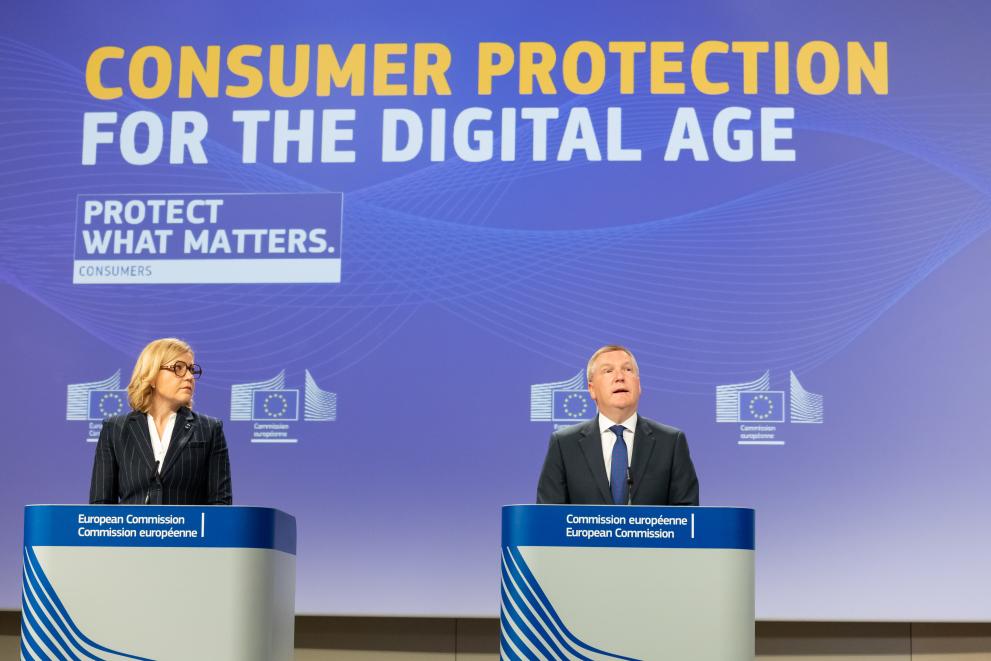
The European Commission wants to make in-game purchases more transparent and protect minors from mechanics that lure them into ever new spending. The Digital Fairness Act, presented on 11 November, is however only a legislative proposal, on which the European Parliament and the Council have yet to decide.
If you exchange real money for a virtual currency, you should in future be able to see more clearly what a digital item really costs. The draft also targets misleading price displays and purchase incentives that build up pressure to decide.
Users should be able to switch off addictive design elements. For minors, additional restrictions are planned for gambling-like mechanics, including certain pay-to-win and pay-to-progress offers.
The EU has been looking at the market for some time. In coordinated consumer rights proceedings, it is examining the virtual currencies in games of Riot Games, Mojang, Ubisoft and Supercell. These proceedings run separately from the new proposal.
Paid advertising by influencers should be clearly labelled. Personalised offers that deliberately exploit users’ weaknesses or the age of minors should be restricted.
In parallel, according to the press release of 11 November, the Commission is proposing a reform of cooperation on consumer protection. In the case of particularly far-reaching infringements, it could carry out investigations itself and impose fines of up to six per cent of global annual turnover.

