Epic Games Launcher now runs natively on Linux – Fortnite will have to wait
By Gameforest Redaktion Published 4 min read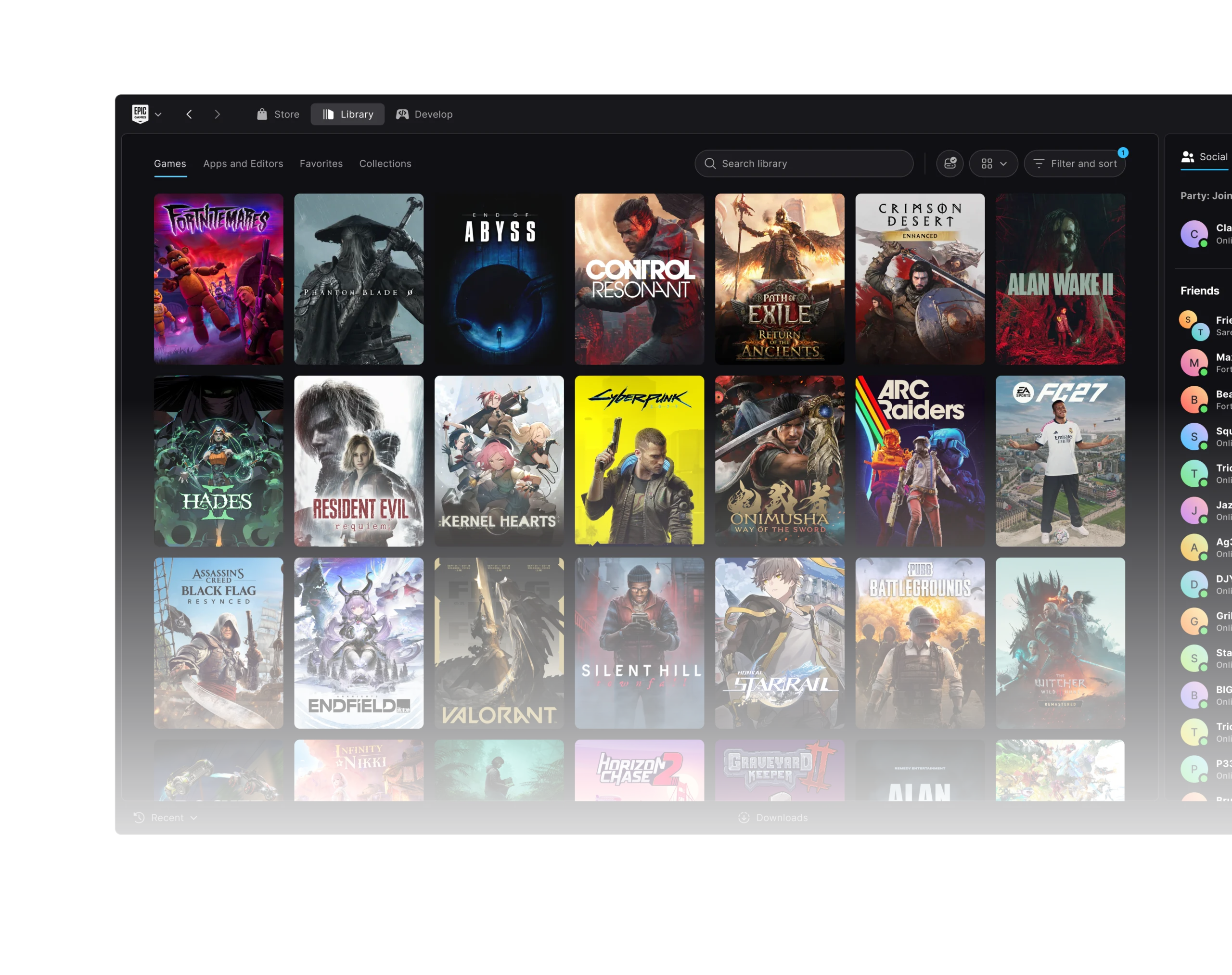
Since 14 October 2026, Epic Games has been offering a preview of its newly developed launcher for Linux as well. This marks the first time the company has officially opened its own games client to the operating system. However, this release does not yet extend to Epic’s best-known game: Fortnite cannot simply be launched on Linux as a result. Epic has announced support but is making it conditional on a new anti-cheat system.
What to expect here
This distinction is crucial. The new launcher is already available as a native Linux application. The games in the library remain subject to their respective platform requirements. Epic expressly points out that numerous titles only have Windows versions and may need a compatibility layer under Linux. The company has not announced a list of additional natively released Linux games alongside the launcher preview.
Where the preview runs – and what happens when switching
Epic officially supports Ubuntu from 22.04 LTS onwards, Fedora from version 43 onwards and Debian from version 12 onwards. Add to that the requirements of an x86-64 processor with two cores and at least 2 GHz, 4 GB of RAM and 2 GB of free storage space. Other distributions may work but are not currently officially tested. The preview is also available for Windows 10 and 11 and for Macs with Apple silicon chips. Intel Macs are excluded from this new macOS version.
Before trying it out, one point is important: according to Epic’s installation FAQ, installing the preview automatically removes the existing launcher. Purchased titles, existing installations, cloud saves and account progress are said to be retained. Nevertheless, some features for social contacts and account management are still missing from the preview. For competitive titles such as Fortnite and Rocket League, Epic expressly recommends for now using the existing client.
Fortnite depends on the next generation of anti-cheat
The larger technical project runs under the name Easy Anti-Cheat Linux v2. Epic has supported Linux for some time with certain anti-cheat configurations, but developers must enable the use of Windows games via Wine or Proton individually. According to the company, the existing solution does not provide the protection that Fortnite requires.
The announced second generation is to rely more heavily on operating system security features. Signed kernels and kernel modules, TPM 2.0, Secure Boot, Measured Boot and further mechanisms for verifying system integrity are mentioned. Instead of its own anti-cheat kernel module, Epic plans a service that runs only during protected games, together with eBPF technology. These are initially technical requirements and development plans, not an already available Fortnite update.
Epic wants to test the new protection in practice with Fortnite first and, after a successful review, offer it to other developers too. The company is working with representatives of various Linux distributions for this. Epic does not name a start date for Fortnite on Linux. Nor should anyone infer an immediate Steam Deck launch from the announcement: according to Epic’s technical report, the Steam Deck does not currently meet the intended requirements. Talks with Valve are ongoing.
Tidier library, but not yet a replacement for everything
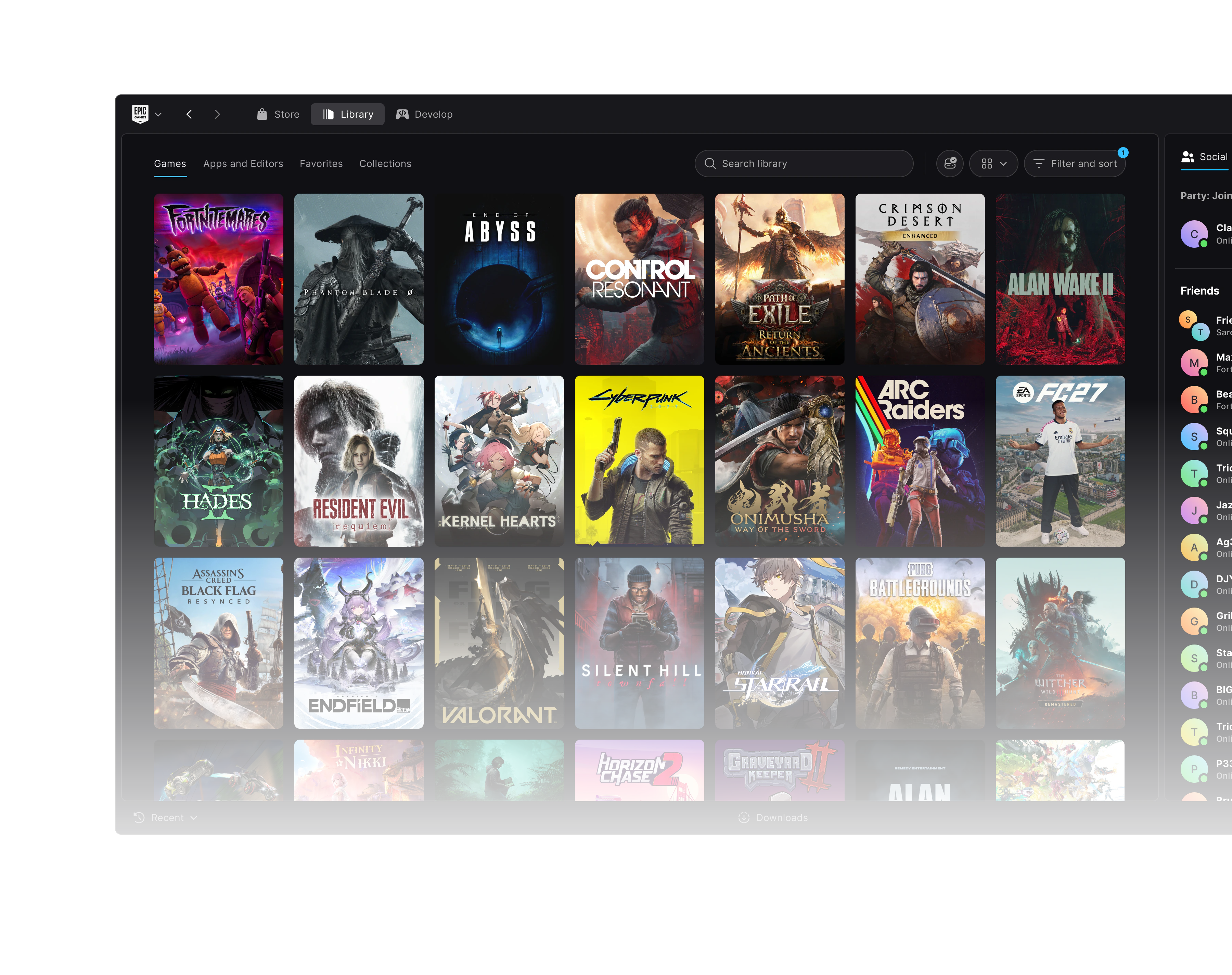
Regardless of the platform questions, the new interface can already be tested. It brings the store, library and developer functions together in a shared navigation. Games receive their own detail pages, and the library can be organised into collections and filtered by criteria. The download area shows network throughput and read and write speeds separately. Friends and party features are more closely integrated.
Epic also promotes significantly shorter start and loading times. For the comparisons with Steam listed on the official preview page, the company commissioned tests. They are not Gameforest’s own measurements and not a guarantee that every computer will achieve the same results.
For Linux players, the release is therefore a genuine new route into the Epic ecosystem, but not yet a general compatibility guarantee for their own library. The next decisive step is not the design of the client but the planned introduction of EAC Linux v2 and the actual release of the games protected by it. We also record Fortnite’s confirmed status in the Fortnite game profile.
Primary sources: Epic Games Store: announcement of the launcher preview, 14 October 2026. Epic Games: download, system requirements and restrictions. Epic Online Services: EAC Linux v2 and technical requirements, 14 October 2026.