Entropy takes on open-world fatigue with a compact RPG structure and genuine permadeath
By Gameforest Redaktion Published 3 min read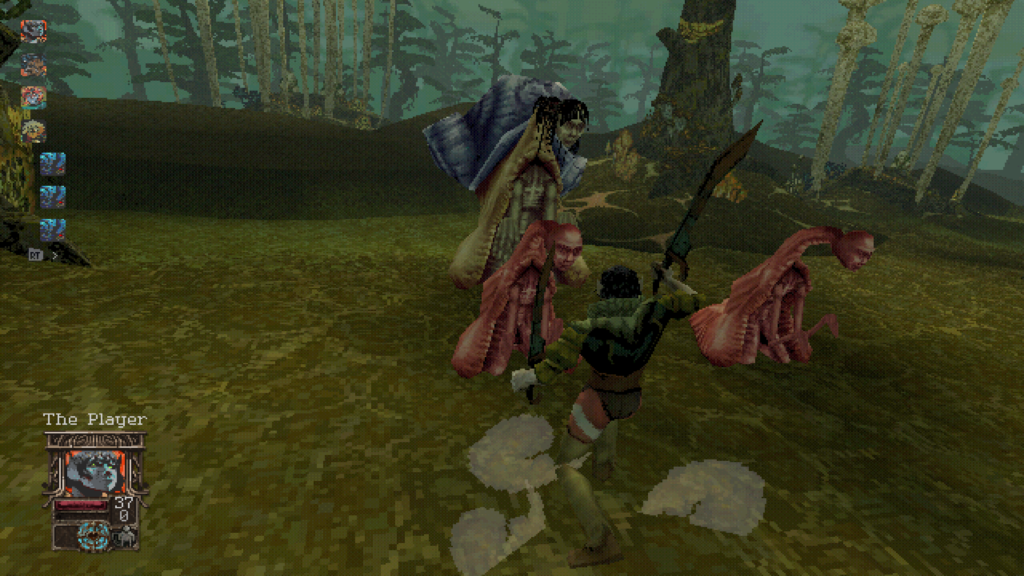
Lovely Hellplace is deliberately positioning Entropy against two common RPG habits: ever-larger open worlds and parties whose core line-up remains practically untouchable. Lead Designer James Wragg explains in new interviews with PC Gamer why the tactical RPG instead leans more heavily on the manageable structures of older console RPGs and on genuine loss of characters.
What to expect here
The ongoing systems and the current Early Access state are summarised in our game profile for Entropy. The game from Lovely Hellplace and DreadXP has been in Early Access on Steam since 18 August 2026.
Entropy should not fizzle out in an endless open world
Wragg cites “open-world fatigue” as one reason the team has drawn more inspiration from RPGs of the PS1, PS2 and GameCube era. What matters, he says, is less the specific technology of those generations than their often tighter structure: games could convey vast worlds and long journeys without turning every stretch into an ever-larger open map.
That fits Entropy’s design. The party moves across an overarching world map between towns, dungeons and smaller locations. Lovely Hellplace is thus trying to preserve the feeling of an extensive journey without having to play out every path in real time. In Early Access, Act 1 covers the Gloaming Isles; two further acts are intended to open additional regions later.
Permadeath only works if the party can carry on
The second focus concerns the group itself. Entropy allows up to six active characters and can let party members be lost permanently. So that a single death does not necessarily destroy a save, there are constantly new mercenaries available to recruit.
Wragg describes this recruitment to PC Gamer as the necessary foundation of the permadeath system: the game needs enough potential replacement characters for losses to be genuinely possible. A character’s death should have consequences, but should not automatically end the campaign. The party can therefore look quite different over the course of a playthrough than it did at the start.
Final Fantasy meets Fallout and Mordheim
The sources of inspiration accordingly do not lie on just one side of the RPG spectrum. Wragg points to classic Japanese role-playing games such as Final Fantasy X and Lost Odyssey, but also to Fallout and Games Workshop’s now discontinued Mordheim system. Entropy combines from these turn-based group combat, targeted attacks on body parts, equipment, perks and a world in which decisions can alter the course of events.
The retro orientation is therefore more than the low-resolution 3D look. It also affects scope, navigation and the question of how much loss a party RPG can genuinely ask of its characters.
The official Early Access trailer shows Entropy’s turn-based combat, world map and deliberately retro-styled 3D look.