Assassin's Creed Shadows: A Deep Dive into the New Hideout
By Magnus Ohle Published 5 min read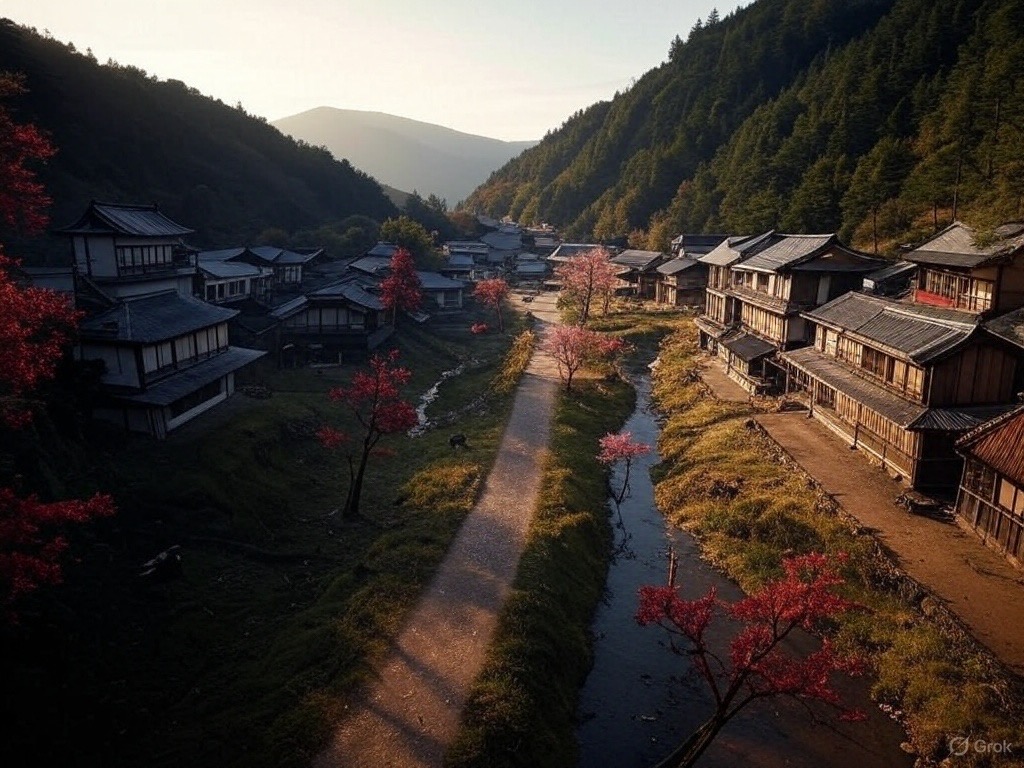
The eagerly anticipated “Assassin’s Creed Shadows” brings a groundbreaking innovation to the series – a fully customisable hideout, arriving on 20 March 2025, that takes the player experience to a new level.
Location and Historical Context
Deep within a secluded valley in Izumi Province – historically part of southern Osaka Prefecture and known as Senshū – lies your new headquarters. According to historical records, Izumi was established in 716 from parts of Kawachi Province and belonged to the Kinai region, the area surrounding the former capital Kyoto. Surrounded by steep hills and accessible only via a narrow path, this valley is the perfect starting point for your operations – a place that is either unknown to most or has fallen into obscurity. Who could choose a better location for shadows? The choice of region fits the feudal Japan setting perfectly and presumably draws inspiration from the province’s historical significance, including its shrines such as the Ōtori-taisha in Sakai.
Customisation and Building Mechanics
Customisation options are the heart of this feature and allow you to design a plot of land with buildings, pavilions, paths, bushes, trees, ponds, moss-covered rocks and local flora and fauna. A genuine sandbox for creative minds! Expansion requires resources such as timber, minerals, crops and the in-game currency “Mons”. You can collect these by plundering small bundles in the open world or by marking larger supplies so that your scouts smuggle them into the hideout over a season. The seasons influence this process, which encourages regular returns to the hideout – who wants their plans to get buried in snow? Decorative elements such as animals can be obtained through quests, contracts, activities or from local traders, or plundered from enemy territory. Wild animals such as shika deer, tanuki and foxes become accessible through sumi-e painting – a neat nod to traditional Japanese art. Exterior elements are organised into subcategories such as paths, light sources and fences, each with specific placement options that can be moved and rotated – your creative freedom knows hardly any limits. The official blog post emphasises this as a “fully customisable sandbox – a first for the series”.
Key Rooms and Functions
The hideout features several main rooms, each with its own functions:
| Room | Function |
|---|---|
| Tomikos Hiroma | Foundation of the hideout, only cosmetic changes possible, cannot be moved or removed. |
| Stables | Unlocks scout smuggling operations for additional resources. |
| Forge | Upgrades weapons and equipment, dismantles items, engraves perks, unlocks transmog. |
| Kakurega | Purchase of hideouts for expanded functions, fast travel, contract boards. |
| Study | Increases the maximum number of scouts, refines search zone. |
| Dojo | Trains allies, raises ranks, improves skills. |
In addition, themed rooms provide gameplay bonuses:
| Themed Room | Bonus |
|---|---|
| Tera | 10% XP boost. |
| Jinja | Enhances shrine blessing effects. |
| Nando | Reduces scout recall costs. |
| Zashiki | Increases ration efficiency (health restoration). |
| Tea room | Increases ration efficiency, strengthens with Zashiki. |
| Gallery | Displays armour and weapons, creates loadouts. |
| Generic rooms | Showcases cosmetics such as outfits and wall art. |
Rooms and pavilions can be connected directly or via covered walkways, creating courtyards and compounds. The interior design allows you to choose between various architectural styles, floors and walls, as well as display acquired items such as armour and paintings. A true paradise for interior design enthusiasts!
Residents and Animals
The hideout starts with a few residents but expands over the course of the story to include scouts, smiths, duellists and others, each with their own backstory and role based on the room types. The dojo, for example, enables combat training, while the Zashiki presumably hosts sake-related interactions – one more reason to drop in regularly! Animals add a social dimension: you can keep cats and dogs (stroking them unlocks placement, including kittens and puppies) and bring wild animals such as shika deer, tanuki and foxes into the hideout through sumi-e painting. An unexpected but welcome feature that breathes life into the hideout.
Impact on Gameplay
The hideout has a significant impact on gameplay: upgrades and buildings directly affect progression and interactions. The forge is crucial for equipment management, including upgrading, dismantling and transmog. The study improves scouts’ abilities by increasing their numbers and refining search zones – where blind chance once reigned, precision now prevails. The dojo boosts allies’ abilities, and themed rooms such as the Tera provide a 10% XP boost that affects the player’s efficiency. The seasons affect resource smuggling and encourage regular returns. The hideout also serves as a safe space for character development, with moments in which Naoe and Yasuke can relax – a welcome change from the constant life in the shadows.
Cultural and Historical Significance
By being set in Izumi Province, the hideout presumably incorporates elements of Japanese culture and history. The use of sumi-e painting for animals and the inclusion of traditional architectural styles reflect authenticity and suit the narrative of feudal Japan. The Japanese cosmetic elements mentioned in the blog post, such as moss-covered rocks and local flora, strengthen the cultural portrayal and could be inspired by the historical practices of hidden ninja villages – who wouldn’t want to build their own shinobi refuge?
Conclusion
The hideout in “Assassin’s Creed Shadows” represents a significant advance for the series and offers players unprecedented customisation options and strategic depth. It is not merely a place to store weapons and equipment, but a living, evolving part of the game that deepens immersion in the world of feudal Japan. For further information, we recommend the official blog post, which contains videos from a work-in-progress version, ideally watched in 4K.
