Analogue Super Nt+ and Mega Sg+: original cartridges instead of 4K – what the new consoles can do
By Gameforest Redaktion Published 3 min read
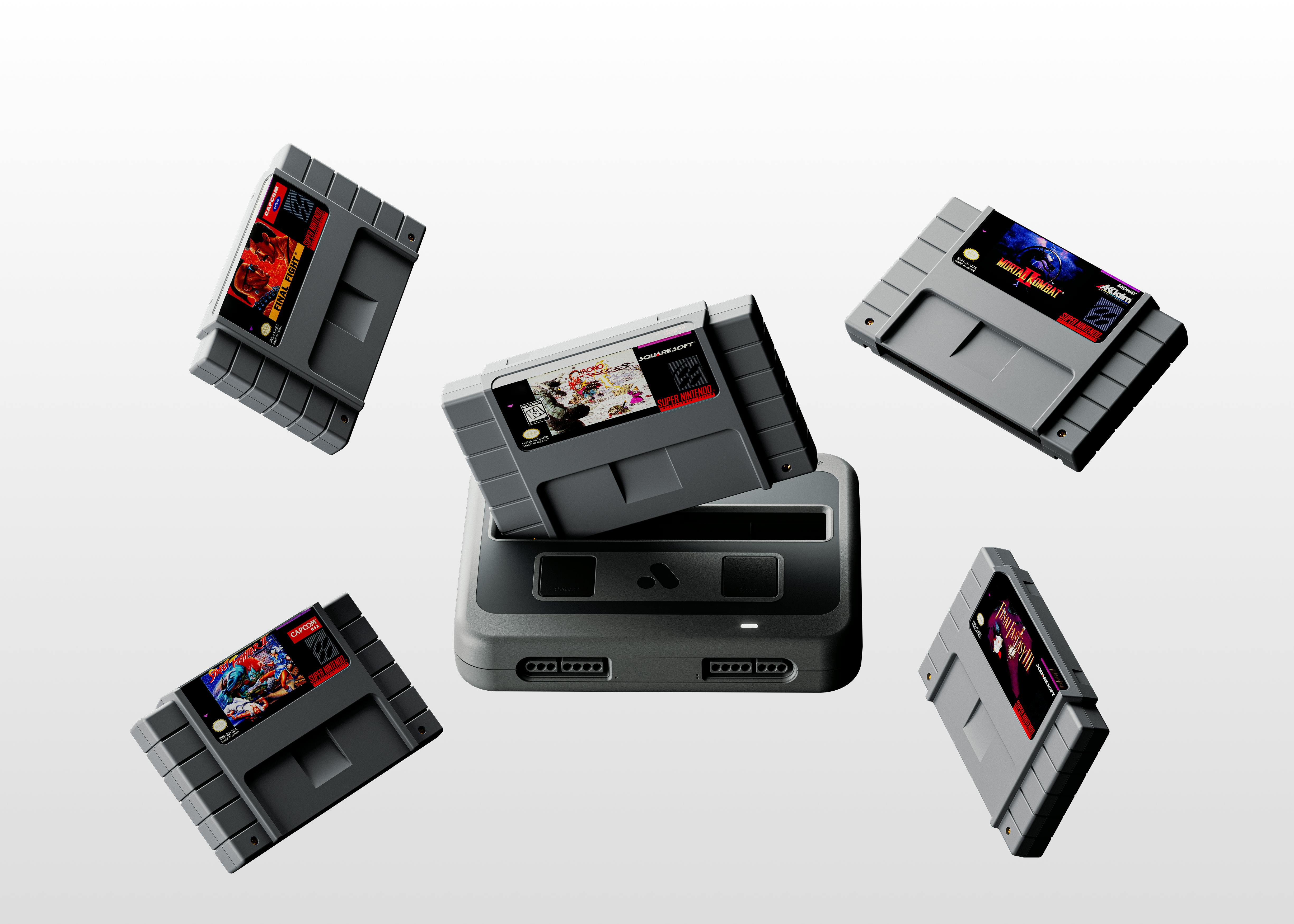
Analogue is bringing back the Super Nt+ and Mega Sg+: two new FPGA consoles for original Nintendo and Sega cartridges are due to ship in December 2026. Unlike mini consoles with pre-installed games, they are aimed at people who want to keep using their old cartridges. Both devices connect these cartridges to modern screens via HDMI and cost US$219.99 each.
What to expect here
The difference lies in the game library: the Super Nt+ accepts cartridges for the Super Nintendo and Super Famicom. The Mega Sg+ is designed for the Mega Drive and Sega Genesis. Analogue uses a programmable hardware chip (FPGA) in both, which recreates the function of the original consoles, rather than running the games via a software emulator.
The Sega model reaches further back into the 8-bit era
With the Mega Sg+, the Master System library can also be used: a suitable RF adapter is included with the device. Additional adapters are required for the Game Gear, Sega My Card and other older Sega systems. Connection to an original Sega CD or Mega CD is retained. For CD games, however, the corresponding original add-on must be available separately.
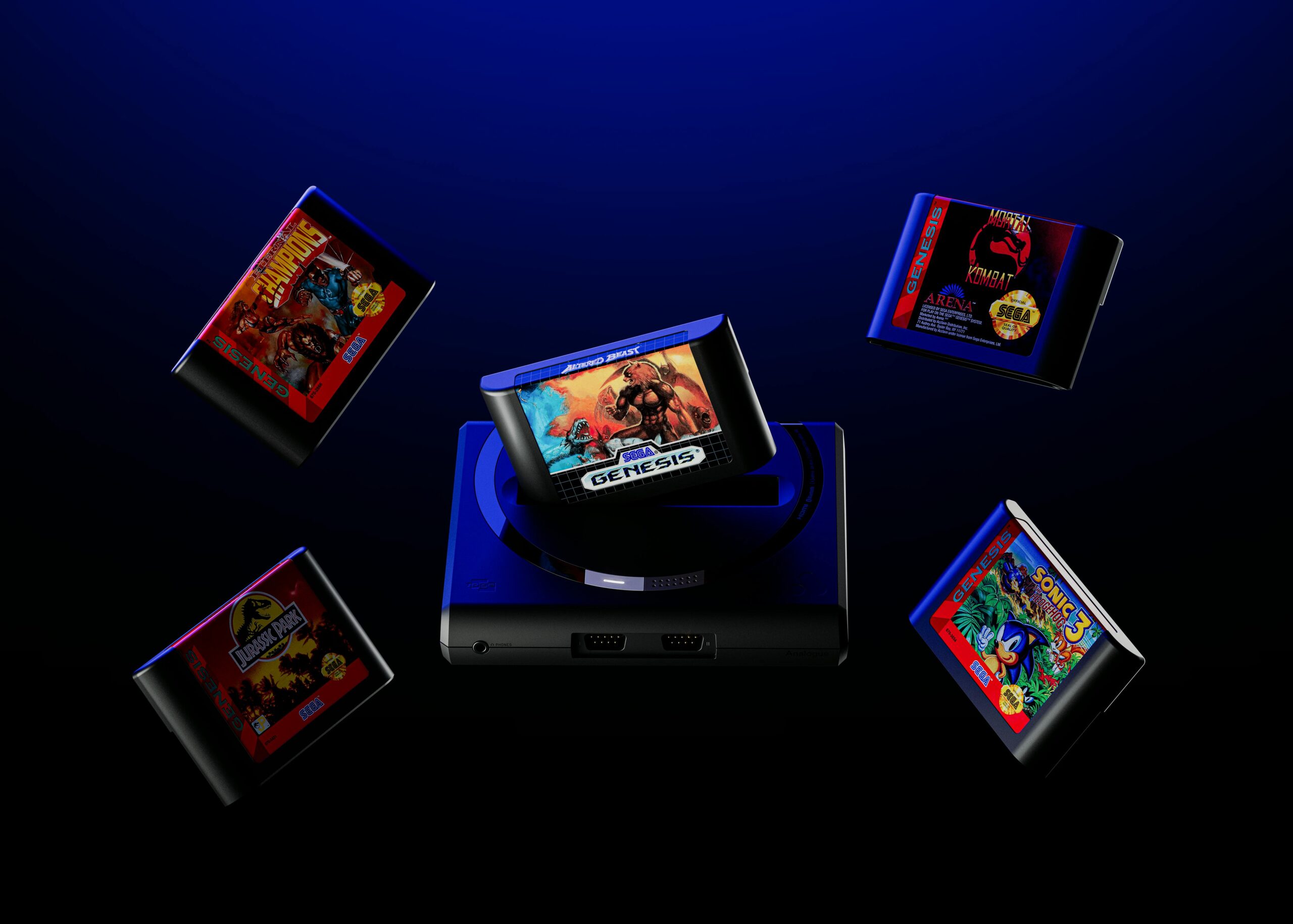
According to the manufacturer, both consoles can be used regardless of the original cartridge region. The choice of case variant makes no difference to this: the Super Nt+ is available in Classic, SF and Black, the Mega Sg+ in USA, EU and JP.
Wireless controllers and USB-C instead of a leap to 4K
The most important innovations concern operation. Bluetooth and 2.4 GHz wireless are now built in. This means compatible 8BitDo controllers and other gamepads can be paired without an additional wireless receiver. Ports for classic wired controllers are retained. In addition, owners can switch the devices on and off using the first controller.
Power is supplied via USB-C; a USB-A port serves mainly to connect the Analogue DAC or to charge controllers. A CRT television requires the separately available DAC. If you want to swap a cartridge, you can exit the game in the menu and then change the cartridge without switching off the console.
Picture output remains at a maximum of 1080p via HDMI. Analogue mentions various aspect ratios and scanline effects, but no 4K output. Features of other Analogue devices, such as save-state snapshots, screenshots or open FPGA cores (openFPGA), are also not provided. The new generation is therefore primarily a more convenient way to play original 16-bit games, not a general system for ROM files or a larger retro game library.
US$219.99 – additional costs for controllers and import possible
Pre-orders are due to begin on Monday, 19 October 2026 at 5pm German time. Both models cost US$219.99 each and are due to ship in December 2026. A final total price for Germany, including shipping and possible import duties, cannot be derived from these US price figures.
Neither model includes a controller or games in the box. Analogue offers matching 8BitDo controllers separately for US$29.99. The box contains, among other things, an HDMI cable, a USB-C cable, a power supply and two cartridge cleaners. Buyers in Germany should note that, according to the official product description, the enclosed power supply has a US/Japan plug.
If you already own original cartridges and suitable controllers, you gain modern connections and wireless support without having to rebuy your games. If, on the other hand, you have no old cartridges at all, you will need games in addition to the console: an integrated collection is expressly not included.